

 |
 |
 |
 |
 |








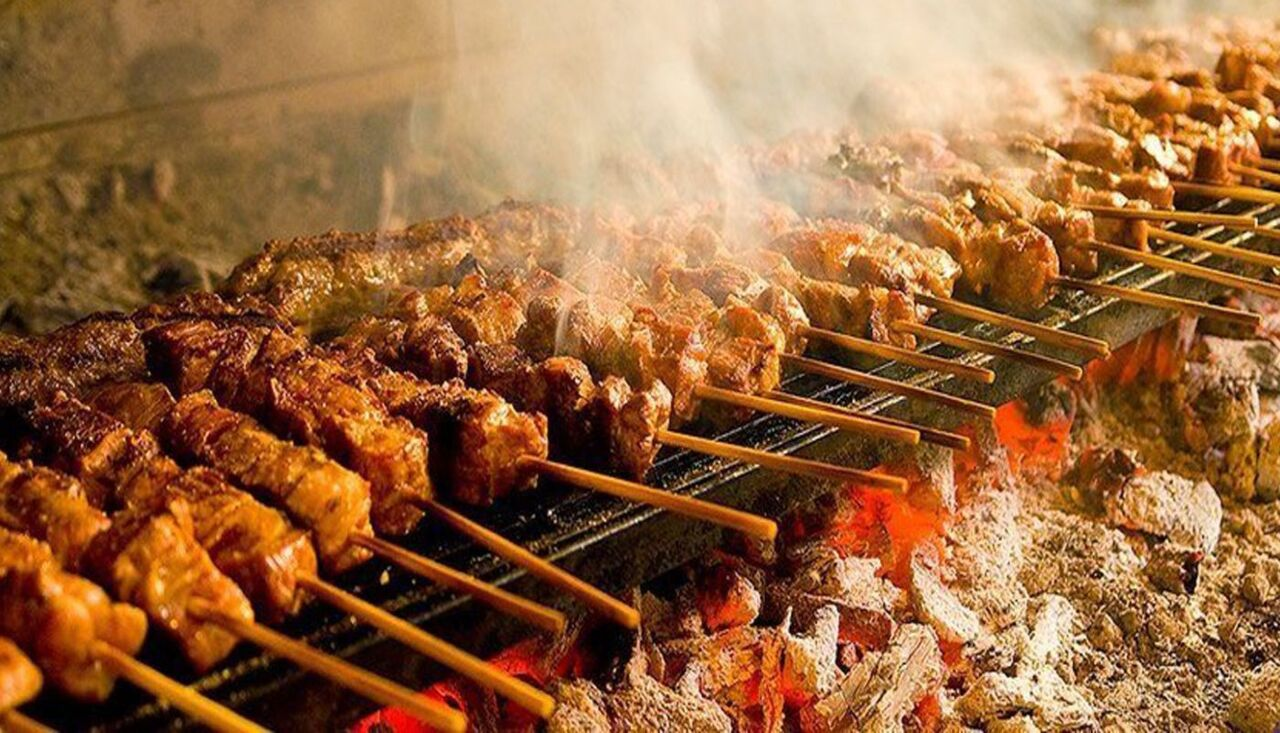
Souvlaki
Souvlaki first appeared in Ancient Greece, where it was known as 'obelisk' (from the word obel = wooden or iron spit for grilling meat on charcoal). It appears, among others, in the works of Aristophanes, Xenophon and Aristotle.
The first mention is in the Homeric Epics, which mention Achilles grilling pieces of meat on charcoal. In Roman writings of the 1st century AD, there is a reference to souvlaki made from offal, while much later in Constantinople, various street vendors were selling souvlaki with pita bread.
In the 1940s, souvlaki began to spread in refugee neighborhoods, in Thessaloniki and Athens. Souvlaki consists of grilled pieces of pork skewered on a small wooden skewer made of reeds (for this reason in southern Greece one can also order it as “kalamaki”), which is usually served with a slice of bread or a pita cut into quarters. Its name has been a bone of contention for Thessaloniki and Athens for many years! Thessalonians call it souvlaki and Athenians call it kalamaki!
It can also be made from chicken meat (which if combined with bacon becomes “kotombeikon”), from beef, from a combination of lamb and beef (kebab), from burgers, but also from mutton.
In Thessaloniki, in its most filling version, souvlaki is wrapped in a grilled pita bread, which very often hosts tomato, onion, tzatziki or other "spreads", whipped, Russian, paprika, and potatoes, ketchup and mustard, while in recent years many grills have launched vegan versions with grilled vegetables, mushrooms or even shrimp souvlaki. However, don't get confused and ask for a straw because you will most likely be served pita with a plastic straw!


